Federal agents just uncovered suspected fraud in nearly half of the Minneapolis–St. Paul immigration cases they inspected, exposing both serious abuse of the system and serious questions about how many more might be slipping through the cracks.[1][2]
Story Snapshot
- Operation Twin Shield reviewed over 1,000 pre-flagged immigration cases in Minneapolis–St. Paul and found indicators of fraud or other concerns in about 44 to 50 percent of them.[1][2]
- Officials reported sham marriages, forged documents, visa abuses, and applicants claiming to work for businesses that do not exist.[1][2]
- Out of 275 suspected fraud cases, just 42 were referred to immigration enforcement and only a handful of arrests were reported, raising accountability questions.[1][2]
- Local and national debates now center on whether these numbers prove widespread immigrant fraud or reveal a targeted, yet incomplete, crackdown.[2][4]
Federal Sweep in the Twin Cities Exposes Deep Problems in the System
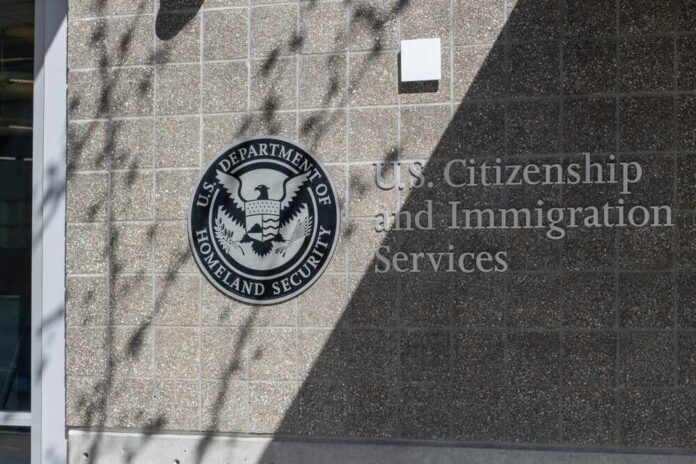
Federal officers from United States Citizenship and Immigration Services, Immigration and Customs Enforcement, and the Federal Bureau of Investigation launched a first-of-its-kind immigration fraud crackdown in the Minneapolis–St. Paul metro called Operation Twin Shield.[1][2] Over roughly nine days, federal teams conducted more than one thousand site visits and in-person interviews tied to pending immigration benefit applications that had already been flagged for possible fraud or ineligibility.[1] Officials said this was the first time such concentrated resources were deployed in a single region to test the integrity of the immigration system.[1][2]
United States Citizenship and Immigration Services leadership reported that officers reviewed more than one thousand pending cases and found suspected fraud, non-compliance, or public safety and national security concerns in approximately 275 of them, or about forty-four percent.[1][2] In a press event, the agency said the team encountered blatant marriage fraud, visa overstays, forged documents, abuse of work and student visas, and people claiming employment at businesses agents could not even locate.[1][2] Officials stressed that these findings reflected serious attempts to game the system, not just minor paperwork errors.[1][2]
What the Numbers Really Show About Fraud and Enforcement
While the headline figure of 275 suspected fraud cases sounds staggering, it is important to understand what that number does and does not mean.[2] United States Citizenship and Immigration Services specifically targeted cases already flagged for fraud or ineligibility indicators, so the sample was not a random slice of all immigrants in the Twin Cities.[1][2] From that targeted group, federal authorities ultimately referred only forty-two cases to Immigration and Customs Enforcement and reported just several arrests, with CBS Minnesota noting that no one had been charged at the time of its report.[2]
Immigration law experts interviewed locally argued that these enforcement numbers translate into a much smaller confirmed problem than some political rhetoric suggests.[2][4] One attorney told CBS that forty-two likely Immigration and Customs Enforcement referrals out of roughly one thousand reviewed cases equals less than five percent, while a handful of arrests represents roughly half a percent.[2] That perspective does not minimize the seriousness of fraud, but it challenges sweeping claims that nearly half of all immigrants in Minneapolis–St. Paul are lawbreakers based solely on Operation Twin Shield’s pre-screened sample.[2][4]
Fraud, Public Aid Abuse, and the Battle Over Narrative in Minnesota
Minnesota has already been rocked by several high-profile fraud scandals, including massive schemes against social service and Medicaid-style programs that have fueled national outrage and calls for tougher oversight.[3] Federal prosecutors in Minnesota have described elaborate criminal networks that exploited public funds and charitable programs, helping create a public perception that fraud is deeply entrenched.[3] These scandals, combined with the Operation Twin Shield findings, feed a powerful sense among many taxpayers that they are paying the price while bad actors manipulate generous systems.[1][2]
Policy groups such as the Cato Institute have warned that politically charged fraud debates often mix together different issues: genuine criminal schemes, technical eligibility violations, and population-level claims about immigrant communities that the data does not support.[4][6] Researchers there note that national data show noncitizens are generally less likely to be convicted of many fraud offenses than citizens, even as serious fraud cases tied to specific communities rightly attract public attention.[4][6] For conservatives, the challenge is threading the needle: demanding strict enforcement and honest numbers without allowing sloppy statistics to undermine legitimate concerns about border security, rule of law, and respect for the American taxpayer.[1][2][4]
Sources:
[1] Web – Revealed: Nearly Half of All Immigrants in Minneapolis-St. Paul Found …
[2] YouTube – USCIS busts immigration fraud in Minneapolis-St Paul
[3] Web – Federal officials target Twin Cities in immigration fraud …
[4] Web – Testimony in Hearing Titled “Somali Fraud in Minnesota – Cato …
[6] Web – Report state program fraud | Minnesota Department of Public Safety