U.S. forces just disabled another tanker linked to Iranian oil, signaling tougher blockade enforcement and a direct warning to Tehran [3].
Story Snapshot
- CENTCOM says a Navy aircraft used precision munitions to stop a tanker bound for Iran [1][3].
- Officials call it the third disabling in the Gulf of Oman tied to the blockade [3][4].
- Confusion over named vessels fuels debate about what ship was hit and what it carried [2][3][4].
- Fast, forceful actions aim to choke Iran’s oil cash while keeping sea lanes open [3][4].
CENTCOM Reports Third Tanker Disabled During Iran Blockade
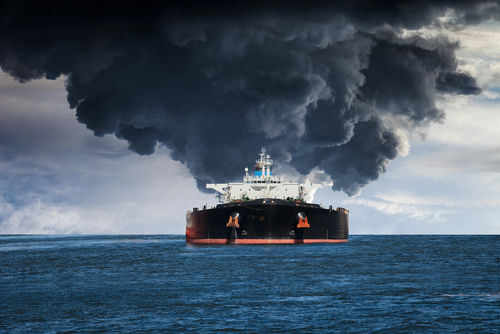
United States Central Command said American forces disabled an oil tanker in the Gulf of Oman at 11:20 p.m. Eastern Time on June 10. The command framed the strike as the third such action tied to a declared blockade against Iran. The release said the vessel tried to carry Iranian oil and ignored repeated warnings. The military said it used precision munitions to stop the ship before it could reach port [3]. A related summary echoed the use of a Navy aircraft [1].
CENTCOM also reported similar actions on June 9, describing another tanker disabled for noncompliance in the same waters [4]. These statements fit a steady pattern since spring. The command has described multiple interdictions and redirects since April. The message is simple and firm: ships that try to move Iranian oil into blocked ports will be stopped before they discharge [2][3][4]. The aim is to cut cash flows that fund Tehran’s hostile activity across the region.
What We Know And What Is Still Unclear
Public reports differ on the vessel names and cargo status. The June 10 release points to a specific tanker and cites a blockade breach [3]. Other official pages and social posts reference different ships in nearby dates, suggesting several incidents may be discussed at once [2][4]. Some secondary posts describe an “unladen” tanker bound for Iran, which raises questions about whether a specific ship carried oil at that moment [6]. These gaps are common in early maritime reporting.
News summaries repeat the core claim that a Navy aircraft used precision weapons to disable the ship before it reached port [1]. But ship logs, cargo papers, and radio recordings are not public yet. That means the clearest on-the-record details still come from CENTCOM statements [1][3][4]. Readers should expect more clarity as imagery, identification data, and repair records emerge. Until then, the strongest verifiable facts are the time, place, and stated U.S. intent to enforce the blockade.
Strategic Goal: Deny Iran Oil Cash, Protect Trade Routes
By acting before port entry, the United States forces failed runs to turn back or go dead in the water. That keeps illicit cargo off the docks and tells insurers and captains that sanctions evasion is a losing bet [3][4]. Precision strikes also limit spill risk and avoid crew harm while making engines or stacks unusable. Scripps News reported the use of guided weapons from a Navy fighter jet, which matches CENTCOM language about targeted disabling, not sinking [1].
For American families, this matters because Iran funds proxy militias that target U.S. troops and allies. Cutting off that money helps reduce attacks and keeps energy routes safer. Strong, measured force shows resolve without dragging our sailors into messy deckboard seizures. It punishes lawbreakers, not crews or nearby shippers. That is common sense law enforcement at sea when warnings fail [1][3][4].
Legal And Messaging Battles Will Follow
Critics will question the legal grounds and raise identification disputes, pointing to mixed vessel names across releases and social posts [2][3][4]. They will also cite claims that at least one tanker was “unladen” at the moment of the strike, which they say undercuts cargo claims [6]. The U.S. side will answer that the blockade notice, the approach to an Iranian port, and the pattern of violations justified action after radio calls were ignored [3][4]. Expect dueling press lines for days.
Here is the bottom line for our readers. The Trump administration is using clear rules, steady warnings, and precise force to stop Iran from cashing in on oil. CENTCOM reports show repeated enforcement, not one-off headlines [3][4]. That is what strong borders and secure trade look like at sea. It protects our troops, deters rogue regimes, and keeps markets from panic. We will keep pressing for more data, but the mission profile is firm and focused right now [1][3][4].
Sources:
[1] Web – BREAKING: U.S. forces disabled an oil tanker in the Gulf of Oman …
[2] Web – US says Navy fighter jet disabled Iranian oil tankers in Gulf of Oman
[3] Web – Official Photos and Videos – U.S. Central Command Media
[4] Web – U.S. Forces Disable 3rd Oil Tanker Violating Blockade in Gulf of Oman
[6] Web – United States Central Command said its forces “disabled” an …