
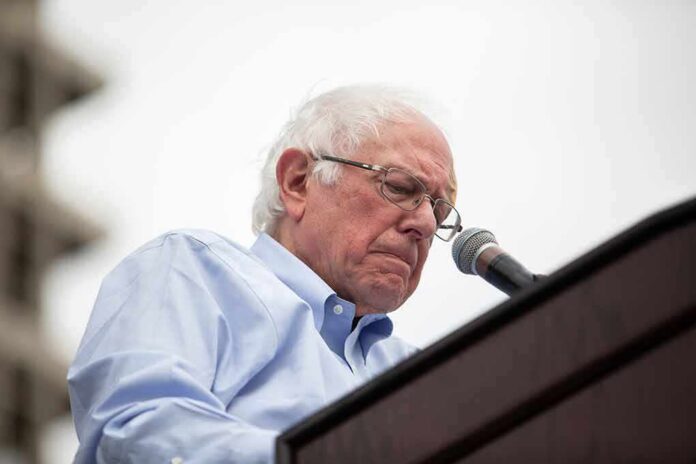
Bernie Sanders says he does not regret backing Graham Platner early, even after a rape allegation and a campaign collapse.
Story Snapshot
- Sanders endorsed Platner 11 days into his Senate bid, then urged him to step aside after a sexual-assault claim.
- Platner’s campaign unraveled after reports of explicit messages, resurfaced posts, and a tattoo controversy.
- Platner denied the assault allegation but suspended his Maine Senate run days later.
- The episode highlights how early party bets can flip to damage control when new facts emerge.
Sanders Defends Early Endorsement While Calling for Exit
Senator Bernie Sanders said he does not regret endorsing Graham Platner early in Maine’s Senate race, even as he later urged the Democrat to end his campaign following a sexual-assault allegation. Fox News reported Sanders endorsed Platner just 11 days after the launch and later called on him to step aside as the scandal grew. That timeline shows Sanders backed a progressive ally first, then shifted once accusations raised higher stakes for voters and the party.
National coverage traced how the allegation arrived on top of earlier controversies that already strained Platner’s run. Reports described explicit messages to other women, old online posts with ugly language, and a tattoo critics linked to extremist symbols. Those issues cost staff and support as the record piled up. The pattern matched a familiar arc where personal baggage drowns out policy talk and forces leaders to reconsider past endorsements.
Allegation, Denial, and Rapid Campaign Shutdown
After Politico relayed the assault claim from a former girlfriend, Platner denied any nonconsensual behavior in statements and interviews. He argued the account was false, but the pressure jumped fast. Within days, Platner said he would withdraw, and then he suspended his campaign in a video posted online. The swift fall left Democrats scrambling in a key race and raised new questions about how they screened a candidate with a long list of warning signs.
Media reports stressed how Democrats moved in waves once the allegation surfaced. Leaders who had backed Platner began to distance themselves. Calls for him to leave the race grew louder. Sanders joined those voices while standing by his view that his early judgment fit what was known at the time. That split stance—support then separation—shows how fast campaigns can turn when serious claims hit a close race.
What the Flip Says About Vetting and Party Priorities
Party leaders often rally to insurgent figures who echo their goals, then pivot when new facts shift risk. Coverage of Platner’s fall framed it as a test of Democratic vetting and message control, not only in Maine, but in close Senate math nationwide. The case also shows why voters demand clear, consistent standards. If early enthusiasm outruns basic background checks, parties invite exactly this kind of late, messy retreat.
For Maine voters, the stakes were simple. They needed a candidate focused on jobs, cost of living, and safe communities, without scandal as a daily drag. Platner’s exit cleared the field but left a trust gap. Sanders’ refusal to regret the early nod may frustrate people who expect leaders to own mistakes. Yet it also reflects a hard truth in politics: decisions are made with imperfect facts, and accountability comes when new facts arrive.
Sources:
npr.org, youtube.com, en.wikipedia.org, bbc.com, cbsnews.com