Federal agents say a sitting Massachusetts mayor siphoned $1.5 million in COVID relief into campaign, tax, and mortgage payments.
Story Highlights
- Prosecutors charged Lawrence Mayor Brian DePeña with wire fraud and money laundering tied to COVID relief funds
- An Internal Revenue Service affidavit states there is probable cause DePeña committed the crimes
- Authorities say more than $880,000 went to pay high-interest mortgages, with other funds to taxes and campaign costs
- The arrest adds to a wider pattern of pandemic loan abuse now facing long-term federal enforcement
What Prosecutors Allege Happened
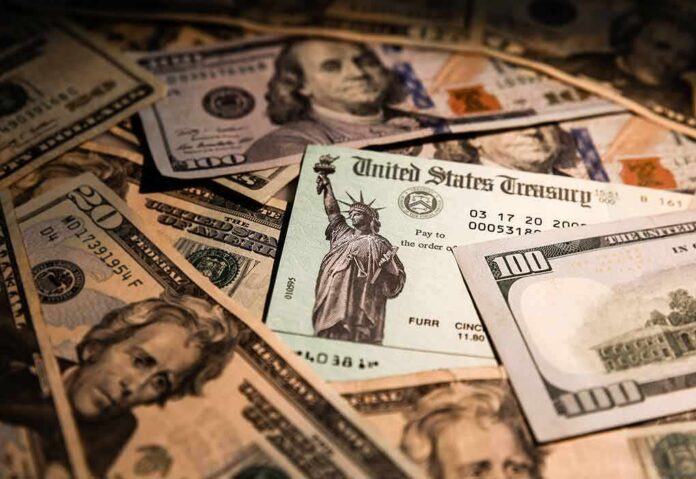
Federal prosecutors charged Lawrence, Massachusetts Mayor Brian DePeña with fraudulently obtaining over $1.5 million in pandemic small-business loans and diverting the money to campaign, tax, and mortgage payments. The United States Attorney’s Office said the mayor was arrested and appeared in federal court in Boston on charges that include wire fraud and unlawful monetary transactions. Officials said more than $880,000 went to pay high-interest, hard-money mortgages on his properties.
A sworn affidavit from a Special Agent with the Internal Revenue Service Criminal Investigation unit supports the complaint. The affidavit states there is probable cause to believe DePeña committed wire fraud and money laundering, including aiding and abetting in both offenses. The document outlines transfers and spending prosecutors say came from COVID Economic Injury Disaster Loan proceeds, rather than lawful business needs. The filing dates to mid-August 2026 and anchors the criminal complaint.
How The Case Fits a Larger Fraud Problem
The alleged scheme tracks with broader patterns seen in pandemic relief abuse. Rapid rollout and limited early checks allowed some applicants to secure funds they did not qualify for, then move the money to personal debts or political use. A Congressional Research Service summary reported that the Small Business Administration’s Office of Inspector General estimated over $200 billion in potentially fraudulent loans and advances across pandemic programs, roughly 17% of total disbursements.
Federal agencies have continued to charge and convict offenders under extended timelines. The Department of Justice formed a COVID-19 Fraud Enforcement Task Force and has publicized charges and sentencings tied to the Paycheck Protection Program and Economic Injury Disaster Loans. Officials say these cases often rely on clear paper trails, bank transfers, and spending records to show intent and misuse, which can be traced long after funds go out the door.
Why This Matters To Taxpayers And Voters
Taxpayers funded emergency aid to protect jobs and small businesses, not to cover political war chests, personal taxes, or private mortgages. When relief money is diverted, small shops lose, workers lose, and communities lose. Prosecutors say this case involves an elected official, which raises the stakes. Voters expect public servants to honor the law and set the example. If proven, the conduct would breach that trust and drain funds meant to keep businesses alive.
Conservative readers have demanded tougher oversight, real consequences, and a clean break from the waste and abuse that plagued pandemic-era spending. The Trump administration’s Justice Department is pressing these cases because the rule of law must protect honest families and small employers. The message is simple: relief programs exist to help Main Street, not to bankroll personal debts or campaigns. This case will now move through court, where the charges must be proven beyond a reasonable doubt.
Sources:
townhall.com, yen.com.gh, bostonherald.com, whdh.com