
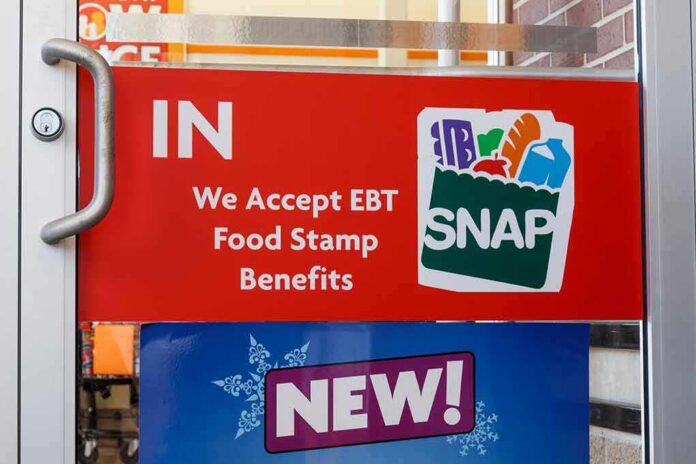
Federal agriculture officials just moved against 170 New York City retailers for alleged food stamp trafficking and illegal sales, signaling a hard push to protect taxpayer dollars.
Story Highlights
- U.S. Department of Agriculture said “Operation SNAP Back” targeted five boroughs for SNAP fraud crackdowns.
- Officials reported action against 170 retailers after undercover probes into trafficking and ineligible sales.
- USDA says it disqualifies retailers from the program after positive investigations and administrative action.
- New York has a recent record of payment card skimming and device abuse tied to benefit fraud risks.
USDA Announces Operation Targeting Five Borough Retail Fraud
United States Department of Agriculture officials announced “Operation SNAP Back” and said investigators are cracking down on fraud across New York City’s five boroughs. Agency social posts on September 18 stated that action was taken against 170 retailers for trafficking and illegal use of Supplemental Nutrition Assistance Program benefits. A same-day report described hundreds of undercover investigations that led to the enforcement moves, citing trafficking for cash and sales of ineligible items like alcohol and non-food goods.
United States Department of Agriculture policy defines trafficking as trading benefits for cash or other non-eligible value. The agency’s process allows permanent disqualification of stores after positive findings. Officials say they take administrative action so violators can no longer process benefits through the program. That model has been used before and has supported criminal referrals when needed, including earlier federal indictments in New York that charged store operators with food stamp trafficking schemes.
What “Action Against 170 Retailers” Likely Means In Practice
United States Department of Agriculture actions can range from charge letters and temporary suspensions to permanent disqualifications, and some cases can lead to criminal referrals. The available materials do not include a store-by-store list, addresses, dates, or amounts. That means the public cannot now sort which cases involve trafficking, ineligible items, or other violations. The department emphasized that the focus was trafficking and ineligible sales following undercover work across the five boroughs.
United States Department of Agriculture integrity messaging this month also pointed to wider results nationwide. Officials said thousands of retailers have been disqualified and many illegal devices have been shut down as part of ongoing efforts to protect benefits from fraud and abuse. New York City has dealt with point-of-sale skimming threats as well. City investigators inspected thousands of terminals and removed dozens of skimmers in 2025, underscoring how device abuse can drain family benefits and waste tax dollars.
Due Process, Next Steps, and Guardrails Against Overreach
Some retailers do deny trafficking claims in formal proceedings. In one final agency decision for a New York store, the owners denied that trafficking took place, but the United States Department of Agriculture sustained a permanent disqualification after reviewing transaction patterns. In another case decision, a different retailer denied the allegations and said it had no prior problems, yet the disqualification stood. The agency said the data showed trafficking indicators that overrode those denials.
USDA Launches 'Operation SNAP Back,' Takes Action Against 170 NYC Retailers Over Food Stamp Fraud https://t.co/J6IXfbfTzB
— 🌺🌿kam🌿🌺 (@pjkate) September 19, 2026
Federal law allows strong penalties for trafficking because it steals from taxpayers and shortchanges needy families. At the same time, fair process matters. Today’s public record does not show the 170 store names or case files. Readers should expect more details as administrative actions proceed and, where relevant, as prosecutors review referrals. The bottom line remains clear: trading benefits for cash and selling ineligible items break the rules and erode trust. Cleaning it up protects families and respects the Constitution’s charge to steward public funds.
Sources:
townhall.com, fox4beaumont.com, fna.usda.gov, x.com, benefits.com, groceryroutes.com, nyc.gov