President Trump declared an “energy ceasefire” between Russia and Ukraine while details and confirmations lagged behind the headline.
Story Highlights
- Trump announced an immediate halt on strikes against energy sites, citing agreement by both sides.
- Kyiv said it was not informed in advance and was awaiting terms, as strikes reportedly continued.
- Reports tied the move to a large Russian diesel import plan pitched as price relief for Americans.
- Ukrainian and Canadian leaders warned diesel purchases could enrich Moscow during the war.
What Trump Announced, And What We Know
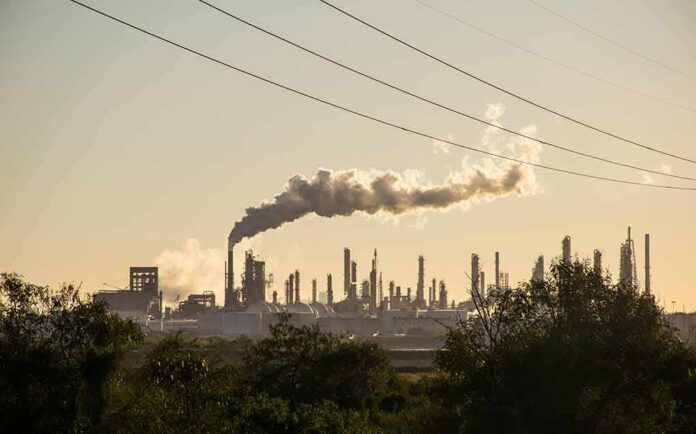
President Trump posted that Russia and Ukraine had agreed to stop hitting each other’s refineries, power plants, and energy sites, effective at once. He urged, “Do not break it!” Major outlets reported no signed text, monitoring rules, or enforcement steps were released with the claim. The announcement followed months of fighting that targeted fuel and power nodes on both sides. The move aims to cut risk to civilians and stabilize fuel markets, the White House has argued.
Ukraine’s president said Kyiv was not briefed beforehand and still needed details. He indicated Ukraine could pause strikes on Russian refineries if Moscow stopped hitting Ukrainian energy infrastructure, which he called a fair swap. Ukrainian officials also said they were already seeing fresh Russian hits on energy targets after the announcement, which they described as a violation. Without a written deal, it remains unclear how either side should verify or respond.
Diesel Deal And Fuel Prices
Reporting linked the ceasefire push to a plan to move a large volume of Russian diesel to global markets, estimated at more than 300,000 metric tons. Supporters in the administration framed this as emergency relief to lower high diesel prices and ease shortages for truckers, farmers, and families. Treasury Secretary Scott Bessent defended targeted sanctions relief as needed to cool prices. Critics warned that imports could funnel cash to the Kremlin while the war rages.
Ukrainian leaders argued the diesel plan would embolden Moscow and cost more lives by boosting its revenue. Canada’s prime minister told Kyiv the deal ran against support for Ukraine because it would enrich Russia. Analysts noted that none of the public reports quantified the exact budget impact on Russia, including price, taxes, or net proceeds. That gap leaves open questions about how much the Kremlin would actually gain from the shipments.
Confirmation Gaps And Continued Strikes
Reuters and other outlets reported that Kyiv and Moscow did not immediately confirm the ceasefire. They also reported continued Russian strikes on Ukrainian energy assets, including a power plant in Kharkiv, hours after the announcement. Ukraine said that meant Russia had broken the ceasefire. Without a shared public text, it is hard to test claims about what targets were covered, when terms started, and how violations should be judged or punished.
A White House account described a phased approach. The first step would focus on stopping attacks on oil refineries. A second stage could cover power plants and electricity grids if the first step held. That pathway could give space to build trust and cut civilian harm. But progress would still depend on rapid communication, clear definitions, and a way to verify strikes in near real time, which have not been published.
What It Means For Americans
The pitch to Americans is simple: shield energy sites to avoid price shocks, and bring in diesel to ease pain at the pump. Many families remember how past green mandates, global shocks, and supply crunches drove up costs. They want stable energy and lower prices. A workable pause on energy strikes could help, but only if both sides follow it and if any imports do not undercut pressure on Russia’s war machine. That balance is the test for this plan.
Conservatives should watch three things closely. First, get the terms in writing. A real ceasefire needs clear targets, timelines, and penalties. Second, demand legal clarity on any sanctions waivers and import routes. The law must be followed, and Congress must see the paperwork. Third, measure results. Track diesel prices, grid stability, and battlefield behavior. If Russia keeps hitting Ukraine’s energy or profits soar in Moscow, the policy must be tightened fast.
Sources:
theatlantic.com, dw.com, reuters.com, cbc.ca, cbsnews.com