
A car exploded on a busy Moscow street, badly injuring a pro-Kremlin Ukrainian figure and triggering a high-profile criminal probe.
Story Highlights
- Russian investigators opened a criminal case after a car exploded in southern Moscow.
- Reports identified the injured driver as Sergei Zavorotny, a former aide to Mykola Azarov.
- Some outlets say investigators are treating it as attempted murder; no suspects named.
- No group claimed responsibility and the exact cause has not been confirmed.
Investigators Confirm Blast And Launch Criminal Case
Russian authorities said a vehicle exploded on Kirovogradskaya Street in Moscow’s Chertanovo district on November 13, injuring the driver and damaging the car. The Investigative Committee sent a team to the scene and opened a criminal case. Officials did not name suspects or list charges in the first release. They also held back details on the device or how it was triggered, keeping key facts under wraps while the work continued.
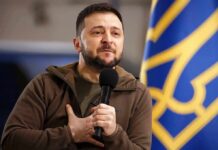
Reuters and other outlets reported the driver was hospitalized after the blast. Early reports linked the injured man to former Ukrainian Prime Minister Mykola Azarov, identifying him as Sergei Zavorotny. Coverage called him a pro-Kremlin commentator who moved to Russia years ago. That political profile made targeted violence plausible, but it did not by itself prove motive or blame. Officials did not confirm a responsible party or explain how the bomb, if any, was placed.
Cause And Legal Framing Remain Unsettled In Public
Some reporting said Moscow investigators were treating the case as attempted murder by a dangerous method. That framing came through Russian state-linked outlets and was echoed in regional coverage. Other reporting said only that a criminal case was opened, with no listed charges in public. The split shows a familiar pattern in high-stakes attacks: early claims move fast, while verified documents and forensics lag behind what the public hears first.
Competing versions also appeared about what sparked the blast. One outlet noted security-linked channels claimed an improvised explosive device under the driver’s seat. Another account suggested a failure of the car’s gas equipment could have caused the explosion. With no forensic report made public, both claims remain unproven. Responsible reporting sticks to what investigators have confirmed and flags the gray areas for readers to watch.
Political Context: Target Profile And Information War
Reports tied Zavorotny to Azarov’s government in Kyiv before 2014 and later to commentary in support of the Kremlin. That background supports a theory of political targeting but does not establish who acted or why. Some coverage also cited a 2020 United States Senate Intelligence Committee assessment that identified Zavorotny as an officer of Russia’s foreign intelligence service, offering a different lens on motive and risk around him. That detail adds context, not blame.
The public record still lacks a claim of responsibility, a suspect, or a final cause finding. Another report stressed that it was not yet clear whether Zavorotny was the intended target, as opposed to the car’s owner or user. In wartime, both Russia and Ukraine have faced attacks on figures tied to their narratives. Early certainty is rare, and bad actors exploit confusion. Readers should expect firm answers only after forensics, interviews, and, if any, court filings are released.
What This Means For Americans Watching A Shadow War
This blast fits a wider pattern of targeted attacks and counter-attacks around the Russia-Ukraine conflict. The pattern cuts both ways, and quick claims often outpace evidence. For Americans, the lesson is clear: demand proof, reject spin, and back policies that focus on strong borders, stable energy, and peace through strength at home. President Trump’s administration must keep eyes on overseas risks while stopping any spillover threats that could endanger Americans or our allies.
Former Ukrainian official aide Sergei Zavorotniy was severely injured in a car bombing in Moscow, marking the second high-profile explosive attack targeting prominent figures in Russia within 48 hours. pic.twitter.com/LxdRYHTNkN
— Azat TV (@azattelevision) November 13, 2026
Here is what to watch next. First, look for the Investigative Committee to publish the legal classification, case number, and any arrests. Second, look for forensic findings on residue and blast pattern to confirm a planted device or a mechanical failure. Third, track whether this case links to other recent attacks by device type or timing. Facts will settle what rumors cannot. Until then, caution beats clickbait every time.
Sources:
zerohedge.com, kyivpost.com, washingtonpost.com, kalminer.com.au, charlotteobserver.com, euromaidanpress.com, monoscoops.com