
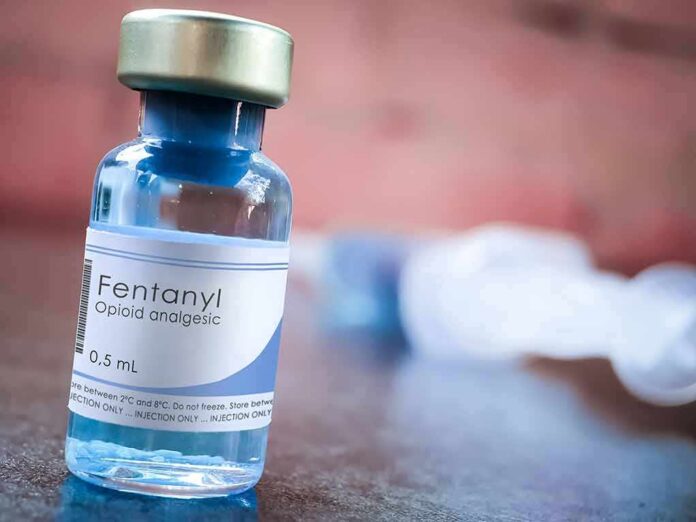
New federal data show fentanyl deaths plunged in 2025, and President Trump says tougher borders and crackdowns helped drive the drop.
Story Highlights
- Centers for Disease Control and Prevention estimates show a sharp fall in overdose deaths in 2025.
- Synthetic-opioid deaths, largely fentanyl, dropped by about 22% from 2024 to 2025.
- Trump officials credit border security, interdiction, and diplomacy for the shift.
- Some experts argue the trend started in 2023 and cite health measures as key drivers.
CDC Data Show A Steep 2025 Decline In Fentanyl And Overall Overdose Deaths
Centers for Disease Control and Prevention provisional figures estimate 69,973 drug overdose deaths in 2025, down almost 14% from 81,313 in 2024. The agency reports the largest piece of this improvement came from fewer deaths tied to synthetic opioids like fentanyl. Provisional counts place fentanyl-involved fatalities at about 38,084 in 2025, down from roughly 48,913 in 2024, or about a 22% decline. These are provisional estimates and may adjust, but they mark a third straight annual drop.
Major outlets echoed the shift, noting that overdose deaths fell for the third year in a row and reached the lowest level in years by the end of 2025. The public health picture improved not just for opioids, but also for stimulants, suggesting a broader supply and risk change. Analysts stressed that while deaths remain high, the turnaround is meaningful in lives saved and in community stability nationwide.
Trump Team Links The Drop To Border Security, Enforcement, And Pressure On Supply
White House drug-control officials highlighted the Centers for Disease Control and Prevention trend line and tied it to President Trump’s policies. They pointed to tighter border controls, more aggressive interdiction, and new diplomatic pressure on foreign suppliers and chemical precursors. The Department of Health and Human Services also credited a two-term strategy: reducing excessive opioid prescribing, fighting illicit fentanyl, and strengthening treatment and recovery pathways across states and communities.
Administration officials argued that stricter immigration enforcement, anti-cartel actions, and deals aimed at choking off precursor chemicals helped drive a market shift. They described an “all-tools” playbook: law enforcement pressure, targeted sanctions, and support for community recovery. The approach frames fentanyl trafficking as a national security threat and a public safety fight, not just a health issue. Officials say the goal is cutting poison at the source while helping Americans get clean and stay alive.
Experts Dispute Credit, Citing Earlier Start And Health Measures That Saved Lives
Public health researchers and some media reports argue the decline began in mid-2023, before Trump returned to office in January 2025. They credit broader access to the overdose-reversal drug naloxone, expanded medication treatment like buprenorphine, and public awareness efforts. They also point to actions against cartel leaders and agreements with China that limited key chemicals, policies they say took root earlier and helped bend the curve before 2025.
Several analysts warn against pinning the change on one lever. They argue overdose trends often reflect many forces at once: supply purity and price, user behavior, treatment access, and emergency response. Reports note that wider naloxone access and easier treatment entry likely saved lives, even as drug markets shifted. These voices agree deaths are falling but urge caution on cause-and-effect claims without fuller peer-reviewed proof across states and time.
What The Numbers Mean For Families, Communities, And Policy Choices
Families who lost loved ones to fentanyl want action that works, not spin. The Centers for Disease Control and Prevention estimates mean tens of thousands fewer funerals in 2025, and that matters in every county. Local sheriffs and parents have long pressed Washington to lock down the border, hit cartels hard, and stop the poison flow. The 2025 results align with that push, even as health tools like naloxone and treatment keep playing a life-saving role.
Policy debates will continue over who gets credit. But the path ahead is clear: keep fentanyl out, keep pressure on traffickers, and keep treatment within reach. Congress can back this with steady funding for interdiction, border technology, and recovery care, not bloated bureaucracies or soft-on-crime experiments. Americans want safe streets, strong families, and a government that defends them from deadly drugs. The latest data show progress. Staying the course can save even more lives.
Sources:
twitchy.com, axios.com, npr.org, usnews.com, ajmc.com, reuters.com, houstonpublicmedia.org