
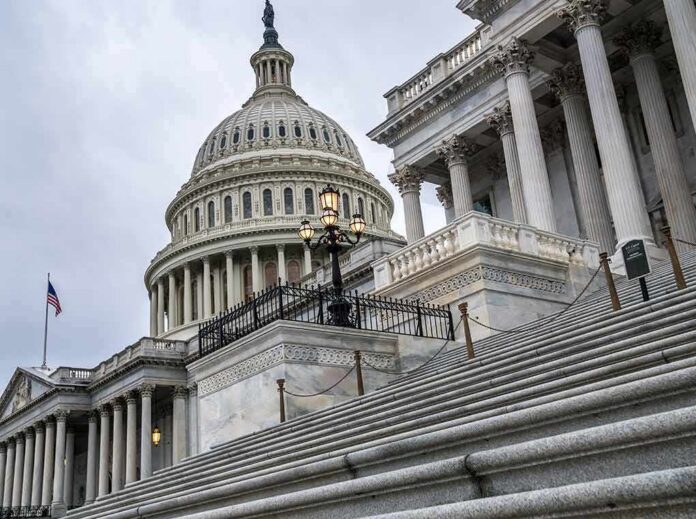
The Senate passed a sweeping permitting overhaul to speed American energy and infrastructure, handing President Trump a major win while keeping core environmental laws on the books.
Story Highlights
- The Senate approved the Bipartisan American Affordability and Jobs Act with a broad, cross-party vote.
- The bill reforms how projects are reviewed under key environmental laws without scrapping those laws.
- Supporters say faster, clearer permits will cut costs and boost jobs; critics warn about narrower state powers.
- Data center and grid provisions aim to stop cost-shifting to families and strengthen energy security.
What The Senate Passed And Why It Matters
The Senate advanced the Bipartisan American Affordability and Jobs Act with a decisive vote, reflecting rare agreement to fix a broken system that slows roads, pipelines, and power lines. The bill changes how agencies handle reviews under the National Environmental Policy Act, the Clean Water Act, and the Endangered Species Act, but it does not erase those laws. Lawmakers framed the package as a way to deliver affordable energy, faster projects, and dependable jobs for American workers.
Supporters argue that long federal reviews strand capital, delay upgrades, and raise family energy bills. They say the reforms set clearer timelines, reduce duplicative studies, and improve coordination across agencies. Backers also stress that the framework retains environmental protections while cutting red tape that special interests and bureaucracy use to stop projects for years. They see this as a step toward rebuilding American industry and supply chains under President Trump’s agenda.
How The Bill Adjusts Environmental Review, In Plain Terms
The bill targets the slow parts of the permitting maze. It standardizes review steps so agencies work from the same playbook, and it limits scope creep that forces repeated do-overs. It keeps the Clean Air Act and Clean Water Act in place while clarifying what issues apply when a project seeks a permit. It also includes a savings clause so future, generally applicable rules can still be issued by agencies under existing authority.
Backers call this “permit certainty,” meaning if a builder meets the clear rules, the agency should give a timely answer. That helps energy producers, manufacturers, and local governments plan projects and financing with less risk. Faster decisions also mean earlier benefits: new power lines, more natural gas capacity, safer bridges, and stronger grids to handle extreme weather and data growth. These outcomes align with pro-growth, pro-worker priorities.
Data Centers, The Power Grid, And Who Pays
The Senate’s action responds to a surge in data center demand that strains local grids and ratepayers. The bill addresses how large data users plan for and pay for the extra electricity they need, rather than shifting those costs to families and small businesses. Supporters say this is basic fairness and grid stewardship. They argue it protects households from higher bills and pushes big users to invest in firm power, transmission, and storage that keep the lights on.
Faster approval of lines and generation can also ease price spikes and cut blackouts. When infrastructure lags, families pay more for power and businesses face outages. Tighter planning rules and quicker green lights for projects can stabilize prices and improve reliability. That is key for national security and for onshoring jobs, especially in manufacturing and high-tech growth corridors that need steady energy to compete worldwide.
What Critics Say About State Authority And Reviews
Opponents claim the bill narrows what states may weigh during Clean Water Act Section 401 certifications, which could limit how states condition or deny certain energy projects. Some warn that public comment windows could tighten and legal challenges could face new boundaries. A handful of Democrats and environmental groups say these changes could weaken oversight, especially for gas pipelines and large data facilities. These concerns will likely shape House debate and any final compromise.
🚨 BREAKING: Sen. Mike Lee says President Trump’s endorsed, Senate-passed affordability and permitting reform bill could save American households HUNDREDS — potentially THOUSANDS — of dollars every year!
THIS IS HUGE! 🇺🇸👏
Sen. Lee explained:
“It’s going to save the American… pic.twitter.com/f90m42IPY4
— Natalie Harp Truth Social Post On X (@NatalieHarpQ) November 21, 2026
Supporters counter that Congress has tried to fix delays for years and that this bill is the most balanced path yet. They point to past bipartisan steps like the 2021 infrastructure law’s permitting council and recent timelines for environmental reviews. They argue today’s reform builds on those tools, still enforces environmental standards, and finally tackles the bottlenecks that stall job-creating projects and keep energy prices high.
Bottom Line For Families And Builders
The Senate vote signals a shift from endless process to clear rules and on-time decisions. The bill keeps core environmental protections while aiming to end abuse of delay tactics that drive up costs. If the House follows suit and President Trump signs it, builders could break ground sooner, energy projects could move faster, and ratepayers could be shielded from data center cost shifts. The next step is House action, where details may still change before a final bill heads to the President.
Sources:
townhall.com, epw.senate.gov, capito.senate.gov, whitecase.com, britt.senate.gov, yahoo.com