Melania Trump’s surprise Epstein speech was driven by years of mounting smear campaigns and a demand for respect, her top adviser says.
Story Snapshot
- Melania Trump used a rare White House address to firmly deny any Epstein ties and call out “defamatory” claims.
- Senior adviser Marc Beckman says she spoke out because “enough is enough” after years of media and online attacks.
- Her team has already forced several outlets to retract and apologize for unverified Epstein allegations.
- The Justice Department’s selective releases and media framing still fuel doubts, keeping the controversy alive.
Why Melania Broke Her Silence Now
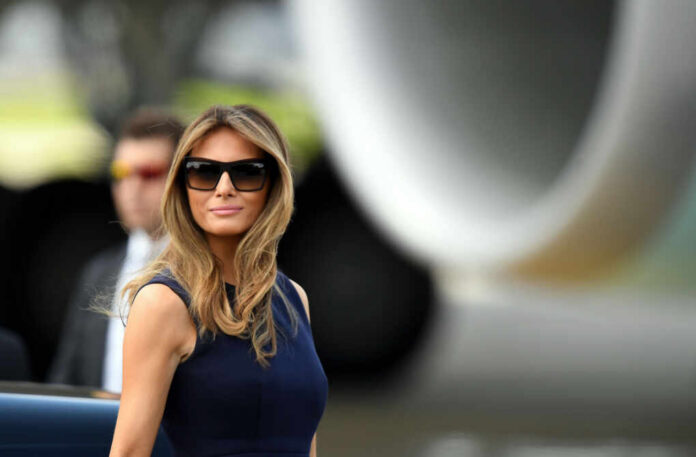
First Lady Melania Trump stunned Washington when she walked into the White House Grand Foyer and delivered a prepared statement blasting efforts to tie her to Jeffrey Epstein. According to senior adviser Marc Beckman, her choice was not a spur-of-the-moment media stunt. He told Fox & Friends she acted because “enough is enough” and wanted to “set the record straight” after years of rumors and online attacks that refused to die down. Beckman pointed to legacy media, social media, and corporate personalities who kept recycling false claims, arguing that the First Lady “deserves respect” as she serves the country and works on foster care and education initiatives.
Inside the Trump White House, aides were caught off guard by the timing and topic of the speech. Reports say even many senior officials had little warning about what she planned to say, underscoring how strongly she felt about defending her own name. Sources familiar with her thinking told CNN that she had grown increasingly frustrated with constant online chatter about her supposed relationship with Epstein and wanted a clear, on-the-record denial to counter the speculation. For a First Lady who usually avoids the spotlight, choosing a solo, high-profile address shows how serious she believes the smear campaign has become.
What Melania Actually Said About Epstein
In her statement, Melania Trump flatly rejected claims that Epstein introduced her to Donald Trump and insisted they met “by chance at a party in New York City in 1998,” a story she says is detailed in her book.
“Epstein did not introduce me to Donald Trump,” she declared. She went further, saying she is “not a victim of Epstein,” has never been named in his criminal proceedings, and has never been on his plane or his private island. Melania acknowledged that she and Donald were sometimes invited to the same parties as Epstein in New York and Palm Beach, explaining that overlapping social circles made occasional photos inevitable, not evidence of a deeper tie.
Melania also addressed the now-famous email with Ghislaine Maxwell, which critics use to suggest a closer relationship. She described the exchange as “casual correspondence,” pushing back on attempts to turn a polite sign-off into proof of friendship. Importantly for constitutional conservatives, she framed the attacks as “malicious and politically motivated” efforts to damage her reputation for personal or financial gain. That framing echoes a growing concern among many on the right: weaponized gossip and lawfare being used to punish high-profile conservatives when the evidence cannot support criminal charges.
Legal Pushback Against Media Allegations
Melania Trump’s speech did more than offer personal denial; it highlighted a legal campaign that has already drawn blood from several media outlets. She explained that her attorneys have “fought these unfounded and baseless lies with success” and will continue defending her reputation. Court records and public statements show that HarperCollins UK and The Daily Beast retracted and apologized for Epstein-related claims about her after failing to verify them. Political consultant James Carville also issued an apology as part of that push.
For a public figure, winning defamation concessions is rare and signals that some allegations against her did not meet basic standards of truth or fairness. Under American defamation law, truth is a complete defense, and media outlets do not retract lightly; they do it when they know they cannot prove what they printed. Melania’s success suggests that at least part of the Epstein narrative around her was built on shaky ground, then amplified by partisan media eager to wound the Trump family. That should concern anyone who cares about honest reporting and the First Amendment being used to protect truth, not smear campaigns.
Ongoing Doubts, Selective Releases, and a Call for Justice
Despite her strong denial, major outlets still highlight counter-evidence to cast doubt. They point to a verified photo showing Melania, Donald Trump, Epstein, and Maxwell together at Mar-a-Lago in 2000, and a heavily redacted Federal Bureau of Investigation interview that reportedly claims Epstein introduced the Trump couple. Yet those same reports admit key details remain blacked out and no court filings or victim statements have named Melania directly. The Justice Department’s partial document releases feed suspicion while dodging full transparency, leaving room for hostile narratives to grow.
In a move that may surprise some conservatives, Melania ended her White House remarks by urging Congress to hold public hearings so Epstein’s survivors can tell their stories and “reveal the truth.” That call lines up with a core constitutional value: sunlight and due process instead of rumor and trial by media. For Trump supporters, there is a clear tension. On one hand, they want protection from abusive investigations and political witch hunts. On the other, they want every abuser tied to Epstein fully exposed, whether in Wall Street, Hollywood, or the permanent Washington class that pushed globalism while looking the other way. Melania’s message tried to thread that needle—demanding justice for victims while refusing to let political enemies use their pain as a weapon against an innocent First Lady.
Sources:
abcnews.com, bbc.com, npr.org, pbs.org, reutersconnect.com, facebook.com, cbc.ca, britannica.com, docs.house.gov