Elon Musk extended Tesla’s Cybertruck production to the end of summer 2027 to honor backlogged orders, even while saying it is not the best move for profit.
Story Highlights
- Musk said Cybertruck production will run through the end of summer 2027 to clear orders.
- He called the decision “not the smartest” for profit but said there is “room for sentimentality”.
- The shift follows earlier plans to wind down the line in mid-2027 to make room for future projects.
- Early Cybertruck “orders” began as refundable reservations, not firm purchases.
Musk Extends Cybertruck Production to Clear Backlog
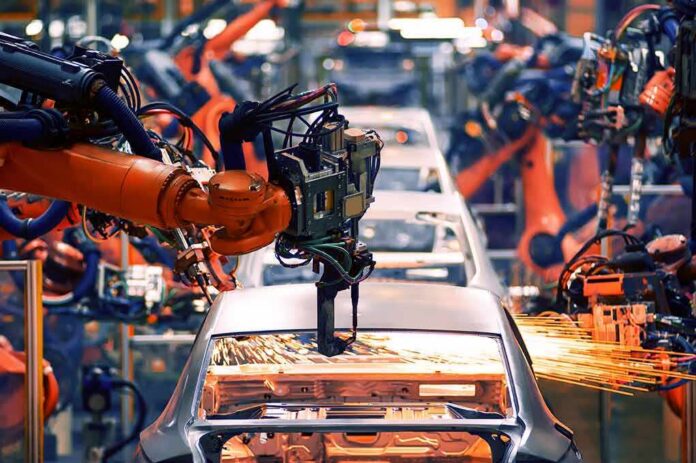
Elon Musk said Tesla will keep building the Cybertruck through the end of summer 2027. He tied the extension to working through the order backlog and framed it as a commitment to customers. He posted the update on November 11, giving a clear, dated marker for the plan. The move adds months to the pickup’s run and changes prior guidance. It ensures more buyers who have been waiting will get trucks off the line before it shuts down.
Musk also admitted the decision is not the top choice for profit. He wrote that it is “not the smartest move from a profit-maximizing standpoint,” but said there is room for “sentimentality” as Tesla works through orders. That framing tells customers they matter more than a quick financial win. It also signals to workers and suppliers that the line will stay active longer than expected, easing a fast wind down and allowing a steadier finish.
Earlier Wind-Down Plans and Factory Priorities
Days before the extension, Musk indicated Tesla planned to wind down Cybertruck production around mid-2027. Reports linked that plan to factory space needs for next steps, including future products. The new decision shifts that timeline by a few months, keeping the line open through the end of summer 2027. Industry write-ups noted the change adds a modest cushion to deliver more trucks before the line makes way for the company’s next phase.
Automakers often juggle backlogs and factory retooling. When a line nears its end, companies weigh customer waitlists against space for new models. Tesla is no different. The extension suggests Tesla wants to finish strong, not leave buyers hanging. It also gives managers time to stage equipment moves in a more controlled way. That can lower risk, reduce waste, and maintain quality while the team completes remaining builds before the final shutdown window arrives.
What “Backlog” Means and Why It Matters
“Backlog” can mean different things. At launch, Tesla took Cybertruck reservations with a small, refundable deposit. Those were not binding orders, and many people placed them to hold a spot, not to buy right away. Reporters tracked the gap between early hype and real, final sales, noting the refundable setup and shifting demand across the market for large electric pickups. That background helps explain why clearing the list requires time and careful planning.
By adding months, Tesla gives more reservation holders a chance to convert to delivery. It also limits the number of refunds that might follow if the line closed sooner. That is a practical move that respects customers who waited through delays and recalls over the years. It also sets a cleaner handoff to the company’s next vehicle focus. The aim is simple: build as many trucks as promised, then transition with as little disruption as possible.
Why This Decision Resonates With Many Buyers
Many truck buyers care about follow-through. Musk’s post leaned into that value by stating Tesla will work through the backlog, even if it is not the fastest way to boost profit. That approach rewards patience and signals a promise kept. For families and small businesses who budgeted for a specific timeline, a steady finish matters more than a flashy pivot. It also shows a company can value customer commitments over Wall Street’s quarter-to-quarter push.
For conservatives who value choice and market freedom, this move lets buyers get the product they picked, not the one a boardroom swap would force on them. It reflects responsibility to customers rather than top-down trends. Closing the loop on orders, then moving to future products, is a healthy path. It avoids waste and honors contracts in spirit and in practice. That is how trust is built in any market—make a promise, then deliver it as fully as you can.
Sources:
businessinsider.com, cbsnews.com, insideevs.com, eletric-vehicles.com