
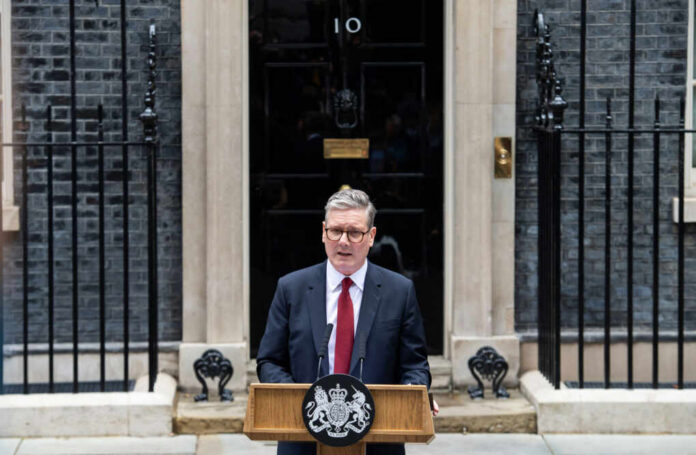
A Labour government’s claim of “we didn’t know” is colliding with the kind of national-security vetting process that is designed precisely so senior ministers can’t plausibly look the other way.
Quick Take
- Former UK Foreign Secretary James Cleverly says there is “no way” David Lammy wasn’t briefed that Peter Mandelson failed security vetting for the US ambassador job.
- Prime Minister Keir Starmer says he only learned “this week” that Mandelson was not cleared, despite earlier media inquiries raising the issue with Downing Street months ago.
- Starmer has sacked senior official Olly Robbins for not escalating the problem, while No. 10 denies it was involved in the appointment process.
- The dispute spotlights how elite networks and opaque appointments can override institutional safeguards meant to protect national interests.
How a sensitive appointment turned into a credibility crisis
UK politics is absorbed by a dispute over whether Labour leaders were warned that Peter Mandelson failed security vetting before being appointed to a top diplomatic role. Former Conservative foreign secretary James Cleverly argues standard practice makes it virtually impossible that Foreign Secretary David Lammy was kept in the dark. The government response has focused on process errors inside the Foreign Office, but critics say the larger issue is whether senior ministers ignored warnings and then denied it.
Prime Minister Keir Starmer has said documents brought the vetting failure to his attention only “this week,” calling the situation “staggering” and “unforgivable.” Downing Street has also insisted it was not involved and was never told of negative security advice. The controversy is inflamed by reporting that the matter had been raised with No. 10 months earlier, creating an obvious political problem: either the briefing chain failed at the highest level, or leaders are now disputing what they knew and when.
What vetting protocols usually mean for ministerial accountability
Cleverly’s argument is procedural, not personal: he says the security services do not keep serious concerns buried in departmental paperwork when the job is as sensitive as US ambassador. In his view, the Foreign Secretary and Prime Minister would normally be privately briefed on any red flags, especially involving a high-profile figure. That claim is echoed by accounts from a former senior cabinet minister describing how major security concerns typically move upward through private channels rather than staying stuck at working level.
Starmer’s camp has responded by placing blame on internal handling, including the dismissal of Olly Robbins for failing to escalate. That step may satisfy voters who want consequences, but it also raises a hard question: if the system worked well enough to identify a failure and fire someone, why did it not work well enough to prevent the appointment from proceeding in the first place? The public still lacks key specifics, including when the final decision was taken and what exact warnings were provided.
Why the Mandelson case triggers broader “elite impunity” fears
Mandelson is not a low-profile pick; he is a longtime Labour power broker with a history of controversy, including past cabinet resignations. The latest concerns cited around the vetting failure involve alleged security risks connected to China-linked business interests, along with other reputational issues that have followed him for years. When a government pushes ahead with a politically connected appointment despite warnings, it reinforces the belief—shared across right and left—that insiders operate under different rules than ordinary citizens.
Political fallout and what to watch next
The immediate impact is political: opponents are using it to question Starmer’s credibility and Lammy’s oversight, while the Liberal Democrats have also attacked Downing Street’s control of events. Starmer has indicated he will address Parliament, and the government is likely to argue that reforms and accountability steps are underway. For Americans watching from afar, the lesson is familiar: when government is large, process-heavy, and run by career networks, responsibility can be endlessly shifted—until public trust collapses.
No way Lammy wasn’t told Mandelson failed vetting, says former foreign secretary https://t.co/JRk19YOOEo
— I Dont Suffer Fools official 🇬🇧 🇬🇧 🇬🇧 🇬🇧 (@Xyz2491) April 18, 2026
The unresolved question is whether the UK government can produce a clear, documented timeline that matches its public statements. If protocols truly require senior briefings, the issue becomes more than a staffing dispute; it becomes a test of whether leaders can be trusted to level with the public when security warnings collide with political convenience. If the process genuinely failed without ministers knowing, that points to a separate vulnerability: a national-security system that can be bypassed through bureaucracy, ambiguity, or both.
Sources:
Starmer Mandelson security vetting Downing Street
Mandelson security vetting: Starmer, Lammy, Cleverly
Mandelson security vetting Labour Lammy Cleverly