A massive “$300 billion payout to Iran” is making headlines, but the fine print shows nobody is handing Tehran a $300 billion check — and that matters for taxpayers and national security.
Story Snapshot
- The reported $300 billion Iran plan is a **private investment mechanism**, not a direct U.S. cash giveaway.
- Vice President JD Vance says **“not a single cent” of U.S. taxpayer money** would go to Tehran if a deal is finalized.[8]
- Any future funding would depend on **Iran ending its nuclear program and accepting strict inspections**, not just signing a paper.[4][15]
- Media and critics are **blending sanctions relief, frozen assets, and private capital** into one scary number, fueling confusion.[15]
What the “$300 Billion Fund” Really Is — And Is Not
Reports about a $300 billion reconstruction fund sound like Washington is writing Iran a massive check, but that is not what negotiators are describing. Outlets citing U.S. and Iranian sources say the figure refers to a potential investment pool that would be built by Gulf countries and private companies, not by the United States Treasury.[1][15] The idea is to create a long-term carrot for Iran if it ever truly changes course, not an automatic bailout the moment ink dries on a memorandum.
According to coverage of the draft framework, the fund is structured as a private investment vehicle focused on sectors like energy, transport, logistics, and manufacturing.[1][2][8] That means companies and sovereign funds would back specific projects, hoping to profit if Iran stabilizes and opens its economy. Officials quoted in these reports stress that this mechanism is separate from any talks over releasing Iran’s frozen assets or easing sanctions, which run on their own legal tracks and require strict conditions.[1][8]
JD Vance: “Nobody’s Getting $300 Billion” From U.S. Taxpayers
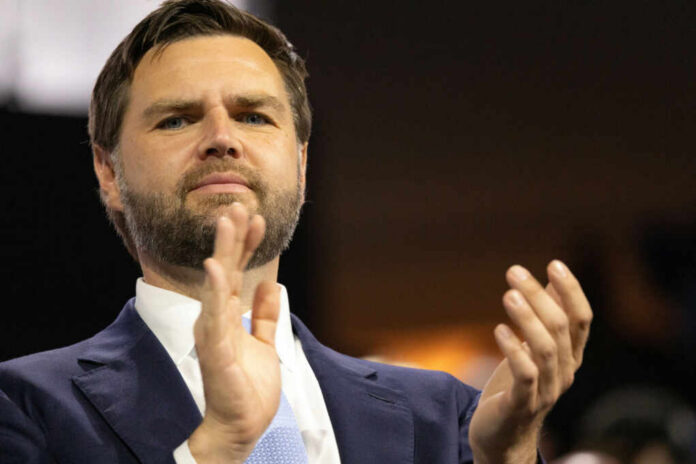
As the story exploded online, Vice President JD Vance took direct aim at the claim that the Trump administration is “giving” Iran $300 billion. In interviews, Vance said Iran could “have access” to that scale of investment only if it meets strict obligations and that the money would be “funded by the Gulf Coast Coalition,” not by American taxpayers.[4][15] He also posted that Iran is “not going to receive any cash” just for signing a deal or showing up to meetings.[17]
Other coverage backs up that message. U.S. officials have stressed that Washington is under no commitment to put its own money into the fund and that “not a single cent” of U.S. taxpayer cash is slated to go to Tehran.[7][8] Instead, the United States would act as a broker, helping Gulf partners and global investors channel money into Iranian infrastructure projects if, and only if, Iran first proves it is changing its behavior. For many conservatives, that is still a big “if,” but it is different from an upfront giveaway written into law.
What Iran Wants Versus What the Draft Deal Offers
Iran has been talking about the number as if it were wartime “reparations,” a payoff to end the conflict and rebuild after the war.[5][8][16] Iranian-linked messaging and some foreign outlets claim the United States agreed to pay $300 billion in reconstruction funds, which plays well for their domestic audience and makes Washington look weak.[20] But American diplomats have gone out of their way to rebrand the idea as an international investment fund and to avoid words like “compensation” or “reparations” in the draft language.[5]
Those competing narratives show why many on the right are uneasy. On paper, U.S. negotiators say this is about investment and strict conditions. On the Iranian side, officials sell it as a victory and a payoff for standing firm. That gap raises real questions about how each side reads the same memorandum of understanding, especially since the full text and annexes have not been released to Congress or the public in final form. Until that happens, critics will keep warning about secret side deals and hidden costs.[5][4]
The Conditions: Nuclear Concessions, Inspections, and a Long Road
Supporters of the framework argue that Iran will not see any of this potential investment unless it makes serious nuclear concessions. Reports quoting Vance and other officials say Tehran would have to end its nuclear weapons program, give up enriched material, and accept a strong inspections and enforcement system meant to stop any path to a bomb.[1][4][15] The fund itself would not even be created until after a final, satisfactory agreement is signed and Iran starts to comply.[1]
There are also smaller, more concrete pieces moving in parallel, such as the phased use of about $6 billion in Iranian funds held in Qatar for food and medicine, and the possible release of other frozen assets if Iran meets specific benchmarks.[18][4] That is separate from the headline $300 billion figure but adds to public confusion. Intelligence officials have voiced doubts that Iran will truly meet these conditions or keep any promises it makes, which means much of this “big number” could remain theoretical rather than real.[1]
Media Confusion, Conservative Concerns, and What Comes Next
Part of the uproar comes from the way media outlets and commentators mix very different things into a single soundbite. Some call the plan a reconstruction fund, others an investment fund, others reparations, and a few talk as if U.S. taxpayers are directly on the hook.[7][5][15] That sloppy framing feeds fears among Americans who still remember the pallets of cash flown to Iran under the Obama administration and who are tired of seeing hostile regimes get richer while citizens here struggle with inflation and high energy costs.
For constitutional conservatives, two points stand out. First, current reporting indicates this is not a direct draw on U.S. tax dollars, which is a line the Trump administration says it will not cross.[4][7][8][19] Second, the real risk is not hidden spending today but how a vague, half-public framework can be twisted later if Iran cheats or if a future, less conservative White House decides to be “flexible” on enforcement. Until the full text, funding commitments, and inspection rules are made public and put under serious scrutiny, skepticism from the right is not only understandable, it is healthy.
Sources:
[1] YouTube – “Nobody’s Getting $300 Billion Fund” – JD Vance On Iran’s …
[2] Web – Is a $300-billion reconstruction fund part of US-Iran deal? Vance says …
[4] YouTube – US–Iran Peace Deal: Why the Proposed $300 Billion Iran Reconstruction …
[5] YouTube – US Iran Peace Deal Live: $300 Billion Iran Reconstruction Fund: Will …
[7] Web – BREAKING: The proposed US-Iran peace deal includes a $300 …
[8] YouTube – US, allies to make plan for $300 billion Iran reconstruction fund • …
[15] Web – U.S. and Iran sign MOU to establish a $30 billion …
[16] Web – Iran could ‘access’ $300B for rebuilding under US deal
[17] Web – Iran has demanded a $300 billion reconstruction and investment …
[18] Web – Trump says $300B fund to rebuild Iran is ‘Fake News’ – The Hill
[19] Web – Qatar’s $6B Iran funds among final sticking points in peace deal
[20] Web – President Donald Trump insisted the US would not be “investing any …