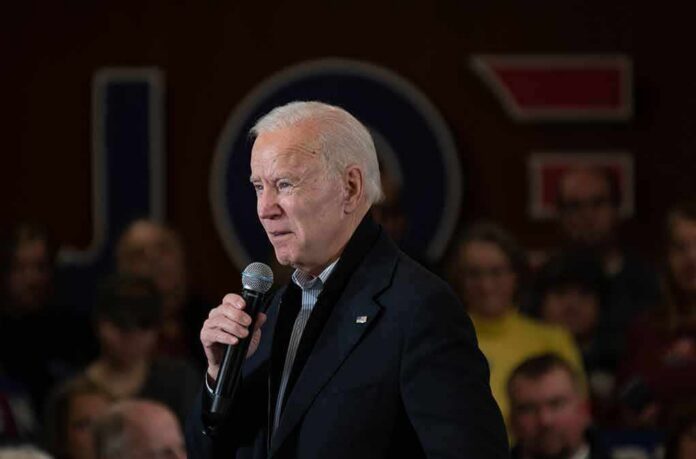
Hunter Biden now says Ambien, exhaustion, and even undiagnosed cancer explain Joe Biden’s disastrous 2024 debate against President Trump — raising fresh questions about judgment and transparency.
Story Highlights
- Hunter Biden blamed Ambien and heavy travel for Joe Biden’s failed 2024 debate, and later pointed to undiagnosed cancer.
- Interviews describe a “deer in headlights” moment and claim staff used sleep medication as Biden crisscrossed time zones.
- Reports do not cite doctors or records confirming the combined claims; they rely on Hunter’s retrospective account.
- The episode fueled the Democrat exit in 2024 and hardened voter doubts about fitness and transparency.
Hunter Biden’s Stated Explanation: Ambien, Exhaustion, Cancer
Reuters reported that Hunter Biden said the failed debate stemmed from Ambien used for sleep and “utter exhaustion” from extensive travel before the event, producing a “deer in headlights” appearance on stage. ABC News likewise reported that Hunter told interviewer Andrew Callaghan that Joe Biden had been taking Ambien, which he suggested contributed to the fumbled performance against President Trump. The New York Times later reported that Hunter also linked the episode to cancer that was allegedly undiagnosed at the time, adding another layer to the explanation.
These accounts present a mix of causes—jet lag, sleep medication, and illness—to explain a night that changed modern politics. Each piece, taken alone, can happen to any traveler or patient. Together, they form a narrative that portrays the debate as an outlier caused by circumstances. The coverage describes what Hunter said across interviews and podcasts, not what medical records show. That matters because the claims describe health and medication choices that, for many voters, demand hard proof before acceptance.
What The Reporting Establishes — And What It Does Not
ABC News, Reuters, and other outlets attribute the claims directly to Hunter Biden in named interviews. That is strong on-the-record sourcing for what Hunter said. The reports do not cite a doctor, White House physician notes, or flight logs paired with medical guidance confirming Ambien use tied to performance effects that night. The story, as published, remains a retrospective, single-source health explanation without contemporaneous documentation, which limits how far readers can take it beyond “this is what Hunter claims”.
PBS summarized Hunter’s broader defense and attacks on Democrat figures who pressed Joe Biden to step aside, placing his Ambien explanation inside a larger grievance about party “elites” and loyalty. The Washington Post framed Hunter’s view that Democrats lost because they did not remain loyal, which strengthens the timeline link between the debate fallout and the campaign’s unraveling. That context supports why the “why it happened” question still draws attention: it affected the top of the Democrat ticket and the choices that followed.
Political Stakes: Fitness, Candor, and Voter Trust
The debate was not just a bad night. It shaped the 2024 race’s endgame and moved voters who were already uneasy. For years, Americans saw energy prices rise, inflation bite into savings, and border chaos test local communities. When a candidate struggles on live television, voters question competence and control. When family members later cite sleep drugs and a possible undiagnosed cancer, voters question candor. Concrete proof can ease doubts; layered, shifting stories often do not.
Conservatives see a pattern: officials minimize problems until the facts break through. From pandemic rules to border claims, many Americans remember being told “everything is fine” before learning the opposite. The Ambien and cancer explanations fit that memory. If a campaign used a prescription sleep aid close to a high-stakes event, why was that risk taken? If cancer signs existed, what did staff know, and when? The reports raise those questions, but do not answer them with records or physician statements.
Common-Sense Takeaways For Voters
High office requires clear heads, strong bodies, and straight talk. Presidents and candidates travel across time zones, but good teams plan sleep and recovery. Sleep drugs have known effects. Using them near a major debate can dull thinking and slow response. If that happened here, the choice was poor. If cancer played a role, transparency should have been immediate. Either way, voters were left to guess during a moment that demanded full clarity and respect for the public’s right to know.
Hunter Biden says that Joe Biden's performance during the 2024 Presidential Debate was a shock to him, and he has never seen the former President act like that since then.
Hunter is also wondering why we haven't invoked the 25th amendment on Donald Trump yet. pic.twitter.com/r2fnqIEL7G
— Macrodosing (@MacrodosingPod) July 31, 2026
The facts we can state cleanly are narrow and important. Hunter Biden publicly tied the debate collapse to Ambien and exhaustion, and later pointed to undiagnosed cancer. Major outlets recorded his words. The claims remain his, not a doctor’s. The political impact was real: the performance accelerated Democrat turmoil and exit decisions. For citizens who prize accountability, the lesson endures. Leaders owe the truth upfront, not layered explanations long after the damage is done.
Sources:
townhall.com, the-sun.com, cnn.com, facebook.com, pbs.org