The International Olympic Committee just opened the door for Russia’s full Olympic comeback while Ukraine’s top athletes are warning the world not to look away from the war.
Story Snapshot
- IOC provisionally lifted the suspension of the Russian Olympic Committee, clearing a path to the 2028 Los Angeles Games.
- Ukraine’s National Olympic Committee and leading athletes say the move rewards aggression while bombs still fall on their country.
- IOC lawyers claim Russia’s committee no longer includes sports bodies from occupied Ukrainian regions, but offer no outside proof.
- Key questions remain over Russia’s flag, anthem, and real anti-doping oversight, leaving the “neutral sport” story on shaky ground.
IOC clears path for Russia’s return to the Olympic stage
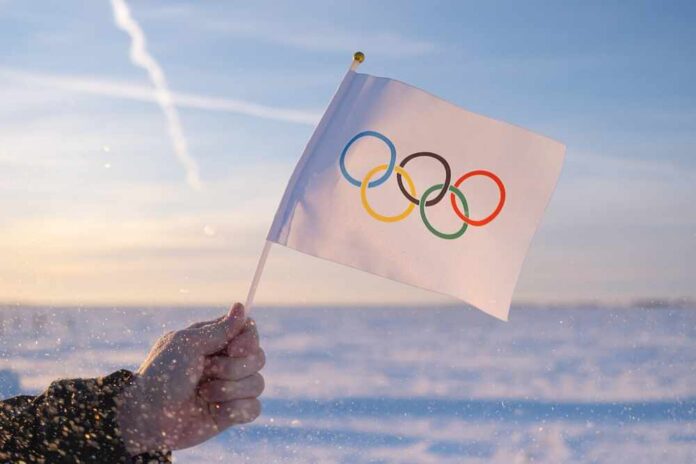
The International Olympic Committee executive board decided to provisionally lift its nearly three-year suspension of the Russian Olympic Committee, a ban first imposed after Russia’s invasion of Ukraine and its move to absorb sports bodies from occupied regions. IOC leaders now say Russian athletes can again compete as members of the Russian Olympic Committee during qualifying for the 2028 Los Angeles Games, instead of only as “neutral” individuals like they did in Paris 2024 and the 2026 Winter Games. This shift comes even as the IOC insists it still condemns wars and violence, trying to claim it can separate politics from sport while changing the rules for one of the most powerful countries in the world.
The IOC’s legal affairs commission is the backbone of this decision, and that is where many concerns begin. According to the IOC, its own internal lawyers ran a “thorough analysis” and concluded that the Russian Olympic Committee no longer includes any regional sports organizations from territories that legally belong to Ukraine’s National Olympic Committee. The Russian side also pledged it “does not, and will not, conduct” sports activities in those occupied areas. But there is no independent audit, no outside investigator, and no public list of which bodies were removed, so the world is being asked to simply trust the same Olympic system that has long struggled with Russian cheating and political pressure.
Ukraine’s athletes say the IOC is rewarding aggression
The National Olympic Committee of Ukraine responded with a sharp official statement, accusing the IOC of violating key Olympic Charter principles on territorial integrity and human rights by lifting Russia’s suspension while the invasion continues. Ukrainian Olympic figures have gone further in interviews, pointing out that Russia is still bombing Ukrainian cities, and arguing that calling these athletes “neutral” does not change the fact that their government wages war every day. For Ukrainians who have lost teammates, family members, and even training facilities to Russian attacks, the idea that sport can float above politics feels like a cruel joke, and they see this move as sending the message that powerful countries can break rules and still get their flag back on the world’s biggest stage.
Supporters of the IOC decision say individual athletes should not be punished for the actions of their governments and that neutral participation is a fair compromise. The IOC has used similar logic before, letting athletes compete even when their national committees are under suspension, as seen in past disputes with countries like Guatemala and North Korea. But critics note that this approach often favors technical legal fixes over deeper moral questions, and that the Olympic system rarely waits for clear political or human rights improvements before restoring privileges. That pattern worries many Ukrainians and other observers who fear that once Russia is back inside the tent, pressure will grow to quietly restore its full symbols and influence.
Flags, anthems, and doping controls still up in the air
Even with the suspension lifted, the IOC has not decided whether Russia will be allowed to use its national flag, anthem, colors, or other official symbols at the Los Angeles Games. For now, the committee says it will rule on those issues “at the appropriate time,” which leaves a wide open lane for future backroom deals and late changes once public pressure dies down. Russian athletes, and many of their supporters online, are already celebrating this as the first big step toward full national representation, while critics warn that slow, technical decisions can quietly erase hard sanctions without any real change in behavior.
The #IOC provisionally lifted its #ban on the #Russian Olympic Committee, opening the door for more athletes to compete at #LA28. #Olympics #Russia #Ukraine #SportsNews pic.twitter.com/r8mYVMCoqz
— Musings (@StanleyEpstein) July 8, 2026
The question of doping adds another layer of concern for fans who care about fair play. The IOC admits the Russian Anti-Doping Agency remains a problem and says any Russian athlete who returns must go through “multiple” tests and meet strict anti-doping rules, with independent testing if Russia’s agency is still not compliant by 2028. That sounds tough on paper, but there is no public proof yet that a full risk review has been done or that the system can really catch cheats who work with state backing. Given Russia’s long history of state-sponsored doping and cover-ups, many see this as another case where the IOC wants to look firm while leaving plenty of room for loopholes.
What this means for American conservatives watching the games
For many conservative Americans, this story is not only about sport but also about fairness, strength, and the value of clear rules. The IOC is once again asking regular people to trust a global body that answers to no voters and often acts behind closed doors, telling us that technical legal steps are enough to wipe away serious violations. Ukrainian athletes, who are still living with war, are raising a warning flag about what happens when powerful institutions decide that “neutrality” matters more than standing up to aggression and defending the basic idea that borders and human lives count.
As the United States prepares to host the 2028 Olympics in Los Angeles, and as the Trump administration pushes to protect national interests and avoid globalist double standards, this kind of IOC decision deserves close attention. American viewers will be asked to cheer a “peaceful” global event while some athletes come from a country still fighting a brutal war and still facing doping doubts. Knowing the full picture helps families judge for themselves whether the Olympic leadership is truly neutral, or if it is once again bending the rules for a powerful player while smaller nations and everyday athletes carry the cost.
Sources:
olympics.com, youtube.com, facebook.com, nytimes.com, themoscowtimes.com, reuters.com