
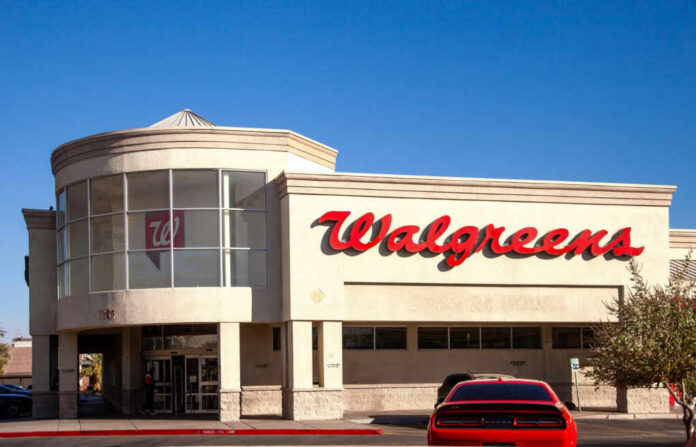
A Chicago Walgreens says rampant theft helped drive more than $1 million in annual losses—forcing a closure that leaves law-abiding families paying the price.
Quick Take
- Walgreens plans to close its Chatham neighborhood store at 86th Street and Cottage Grove on June 4, 2026.
- The company told residents the location lost over $1 million in the last year, with theft a major driver alongside declining prescription sales.
- A Walgreens district manager said the store’s theft rate hit 16%, about four times the company average, despite major security spending.
- The closure has triggered backlash from residents and local officials, highlighting the real-world tradeoffs when public safety breaks down.
Why Walgreens Says the Store Can’t Stay Open
Walgreens executives told community members that the store at 86th and Cottage Grove in Chicago’s Chatham neighborhood (Ward 6) will close June 4, 2026. At a town hall meeting, the company said the location lost more than $1 million over the past year. Walgreens pointed to theft as a major factor, while also citing declining prescription sales—an important detail because pharmacies run on thin margins and depend heavily on steady Rx volume.
Walgreens district manager Jason Vasquez laid out the numbers that most directly explain the decision. He said the store’s theft rate reached 16%, compared with a company average around 4%. Walgreens also said it spent about $400,000 a year on security guards, yet still faced repeated damage to in-store security measures, including lock boxes. Those costs compound quickly: stolen merchandise, repair expenses, and the day-to-day operational friction of running a store like a fortress.
Employee Safety, Not Just Shrink, Is Driving the Exit
Walgreens emphasized that safety concerns are central to the closure. The company said “ongoing safety challenges” made it “increasingly difficult” to maintain a secure environment for both employees and customers, even after prior adjustments. Reporting from the town hall described employee attacks and threats, reinforcing that this is not only a spreadsheet problem. When frontline workers don’t feel safe, staffing becomes harder, service deteriorates, and the store’s core mission—reliable pharmacy access—falls apart.
Walgreens said employees can seek transfers to other Chicago locations, but that does not solve the immediate service gap for residents who relied on this store for prescriptions and everyday essentials. Seniors, people with disabilities, and households without reliable transportation are typically hit first when a neighborhood pharmacy disappears. In practical terms, closing a store may reduce corporate losses, but it also pushes time and travel costs onto families who were not responsible for the crime driving the decision.
The Political Fight: “Corporate Abandonment” vs. Basic Public Order
Chicago Alderman William Hall criticized Walgreens and described the closure as “corporate abandonment,” reflecting a familiar political clash: communities want stable access to essential services, while corporations refuse to operate where losses and safety risks become routine. The available reporting does not show any near-term plan to reverse the closure. It does, however, show a breakdown of trust—residents feel abandoned, and the company says it cannot protect workers and shoppers at a reasonable cost.
What This Signals Beyond One Chicago Intersection
The Chatham closure also fits a broader corporate strategy: Walgreens has announced plans to close 1,200 stores nationwide over three years. That matters because it means vulnerable locations may face tougher internal scrutiny—especially those dealing with high theft and slipping prescription volume. For voters across the political spectrum who already suspect government isn’t meeting basic obligations, the takeaway is hard to ignore: when public safety and accountability fail, private businesses retreat, and everyday citizens lose convenient access to necessities.
Shuttering Chicago Walgreens Says It Lost $1 Million, Mostly Due to Thefthttps://t.co/dmC6TZv7N7 pic.twitter.com/P3K2SmT87J
— Twitchy Team (@TwitchyTeam) May 11, 2026
For conservatives, this story underscores a straightforward principle: the first civil right is the right to live and work without fear. For liberals, the closure highlights a legitimate worry about service deserts and unequal access to healthcare basics. Both views collide at the same point—local order and effective governance. The reporting provides strong numerical evidence of severe theft and heavy security spending, but it offers limited clarity on what enforcement or prosecution changes, if any, will follow.
Sources:
Walgreens to Close Chatham Store After More Than $1M Loss, Cites Theft and Declining Sales
Walgreens to close Chicago store after losing over $1M due to rampant theft, falling sales