
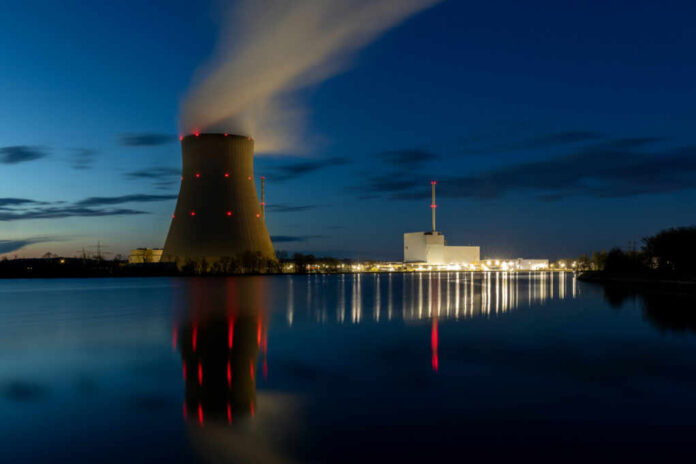
China is on track to overtake the United States in nuclear power capacity, while global nuclear output is set for a sharp rise by 2036.
Quick Take
- BloombergNEF projects global nuclear capacity will rise to 535 gigawatts by 2036, up 44% from 2025 levels.
- China’s nuclear fleet is expected to nearly double and pass the United States by 2036.
- India plans a major build-out as it pushes harder on energy security and supply stability.
- The forecast reflects rising electricity demand and heavy reactor construction in Asia.
China’s Build-Out Is Driving the Forecast
BloombergNEF says global nuclear capacity will climb from 372 gigawatts in 2025 to 535 gigawatts by 2036. That is a 44% increase in just over a decade. The same report says China will nearly double its own capacity from 59 gigawatts to 102 gigawatts over that span, giving Beijing the top spot ahead of the United States. For readers worried about American decline, that shift matters.
China’s rise is not happening in a vacuum. Industry data show the country already has the largest nuclear construction program and the fastest growth pace among major nuclear markets. BloombergNEF ties that momentum to aggressive reactor building and stronger electricity demand across Asia. The story is simple: China is using state-directed planning to lock in long-term power capacity, while the United States moves more slowly and faces older plant retirements.
India Is Treating Nuclear Power as Energy Security
India is also expected to push harder into nuclear power, and BloombergNEF says the country will raise capacity to support energy security. The World Nuclear Association says India has ambitions to reach 100 gigawatts by 2047, backed by legislative reform, new financing models, and plans for private participation. That fits a wider trend in which fast-growing countries see nuclear power as a way to keep the lights on without depending so heavily on imported fuels.
That matters because electricity demand keeps rising, especially in countries building out factories, data centers, and heavy industry. Nuclear power offers steady output, and supporters say it can help stabilize grids when solar and wind fall short. BloombergNEF’s forecast rests on that demand growth and on continued reactor construction in China and India. The report does not give a full project-by-project schedule, so the headline figure still depends on many plants finishing on time.
Why the Forecast Should Be Read With Caution
The broad trend points upward, but nuclear forecasts have a long record of slipping behind their own targets. The International Atomic Energy Agency (IAEA) has raised its nuclear growth projections for five straight years, yet current global capacity is still far below its more optimistic long-term cases. That gap does not cancel BloombergNEF’s outlook, but it does show why big reactor plans deserve scrutiny. Nuclear power is capital-heavy, slow to build, and sensitive to delays.
That is the key tension in this report. The numbers point to real momentum, especially in Asia, and that should get attention from anyone who wants reliable power and stronger energy security. At the same time, the public should not confuse forecasts with finished plants. If China and India keep building at the pace now described, the world nuclear map will change fast. If they stall, the projection will look too rosy.
Sources:
oilprice.com, energyconnects.com, bloomberg.com, businesstimes.com.sg, facebook.com, world-nuclear.org