A fast-moving wildfire in southern Spain left at least 11–12 people dead as extreme heat turned escape routes into traps.
Story Highlights
- Authorities reported at least 11–12 deaths near Almería as the blaze overran roads.
- Regional leaders deployed about 150 firefighters to contain the fire.
- Reports said several victims were found inside vehicles while trying to flee.
- Four British nationals were among those believed dead, according to local reports.
Confirmed Deaths Amid Extreme Heat
Regional and emergency officials in Andalusia reported at least 11–12 people killed after a wildfire swept areas near Almería on July 10. Early statements cited 11 deaths, with later updates moving to 12 as responders reached more scenes. Authorities also reported injuries as crews searched burned vehicles and homes. The location near coastal mountains, dry brush, and steep roads made escapes hard and dangerous. The confirmed fatalities mark one of the deadliest recent fires in southern Spain.
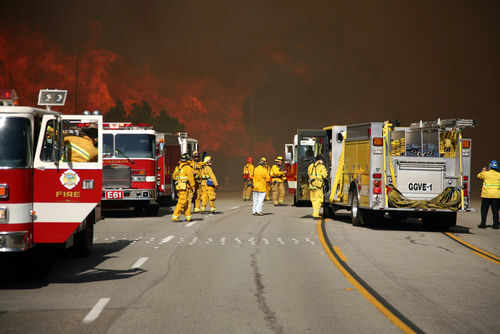
Emergency services described a fast, wind-driven fire that cut visibility and boxed in drivers. Regional leaders said about 150 firefighters, along with water-dropping aircraft, worked the perimeter while police cleared roads and warned residents to evacuate. Several victims were found inside vehicles, highlighting how fast flames and smoke overtook routes that seemed safe minutes earlier. Investigators had not confirmed a cause at the time of these reports, and officials warned the toll could change as searches continued.
Who Was Affected And What We Know Now
Reports from local and international outlets said four British nationals were among those believed to have died, reflecting the area’s mix of residents and visitors. Authorities noted both locals and travelers were on the roads when the fire crossed highways and rural lanes. The timeline shows how fast conditions turned lethal, with shifting winds and embers jumping lines. First responders focused on life safety and evacuation before full forensic work could begin on identification and next-of-kin notifications.
Initial counts listed 11 dead, with emergency services later citing 12. That swing from 11 to 12 is common in major fires, as crews move from rescue to recovery and confirm separate reports from different sectors. Outlets that posted the first number were not wrong; they reflected what officials knew at that hour. Later updates improved accuracy. This is why seasoned readers track the update time on official statements and expect early figures to change during a crisis response.
Heat, Fuel, And A Pattern In Southern Europe
Meteorologists and safety studies have long shown that summer heat, wind, and dry vegetation raise the odds of deadly fires in Spain. Over decades, Spain has recorded the highest number of wildfire fatalities in Southern Europe, a tragic base rate that fits what we saw near Almería. Steep terrain, brush buildup, and more people living or driving near wildlands all add risk. When heat spikes, small ignition sources can become fast, deadly runs that overtake narrow roads and canyons.
At least 12 people have lost their lives after a fast-moving wildfire swept through Spain's Almería province, with soaring temperatures, strong winds, and dry conditions accelerating the flames.
Hundreds of firefighters and emergency personnel have been deployed to battle the… pic.twitter.com/js7JKg1tyX
— The Pioneer (@TheDailyPioneer) July 10, 2026
For American readers, this tragedy is a warning about readiness at home. When heat and wind hit, seconds matter. Clear family plans. Know two ways out. Keep vehicles fueled and phone alerts on. Local leaders should harden roads, clear brush, and test evacuation messages. Personal responsibility pairs with smart, limited, and focused government action. That balance saves lives. This Spanish fire showed how quickly danger arrives, and why clear heads, clear routes, and clear authority matter most when the flames come.
Sources:
youtube.com, facebook.com, caliber.az, instagram.com